Mort House: How It Protected the Dead
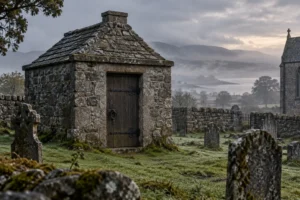
Why did Scottish communities lock coffins in stone buildings before burial? Discover how mort houses thwarted body snatchers, including one with a revolving platform.

For centuries, medical schools needed human bodies for anatomy lessons, but legal supplies often fell far short of demand. That shortage helped create a secretive trade in stolen corpses and the people who became known as resurrectionists.
Here we explore the strange history of body snatching, grave robbing, anatomy schools, Burke and Hare, mortsafes, grave watches, coffin torpedoes, cemetery guns, changing anatomy laws, and the people who tried to protect the dead.
Some of these stories became infamous. Others were nearly forgotten.
Follow the records, follow the money, and keep digging. There is always another strange story beneath the surface.
Why did Scottish communities lock coffins in stone buildings before burial? Discover how mort houses thwarted body snatchers, including one with a revolving platform.

A surviving diary reveals the working lives of London body snatchers, from payments and hospital deliveries to nights when the moon stopped their work.

The Doctors’ Riot of 1788 erupted over stolen bodies. Discover why New Yorkers attacked a hospital and jail, what contemporary records say, and which stories remain uncertain.
A real Edinburgh museum displays a pocketbook said to be made from William Burke’s skin. Discover its history, what scientific tests can establish, and why its origin remains uncertain.
An unusually fresh corpse exposed the London Burkers in 1831. Discover how the murder-for-anatomy case unfolded, why the victim’s identity is disputed, and what happened to the men.
Grave robbers could face fines or jail, but stealing clothing or other grave property could bring harsher charges. See how the law treated body snatching.
Why were bodies stolen from graves in the 1800s? Follow the medical demand, resurrectionist gangs, student grave robbers, family defenses, and the law that changed the trade.
William Burke’s skeleton survived his 1829 execution and dissection. Follow the strange path from the judge’s sentence to the preserved remains still held in Edinburgh today.
William Hare escaped the gallows by testifying against William Burke. See why prosecutors protected him, what he told the court, and what happened after his release.
One nineteenth-century answer to body snatching was brutally simple: wire the burial to an explosive. See how coffin torpedoes worked and why inventors patented them.