Grave Gun: How These Weapons Protected Graves
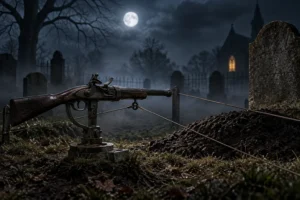
A grave gun turned a fresh burial into a mechanical trap. Learn how trip wires, firearms, and fear of body snatchers produced one of history’s strangest grave defenses.

For centuries, medical schools needed human bodies for anatomy lessons, but legal supplies often fell far short of demand. That shortage helped create a secretive trade in stolen corpses and the people who became known as resurrectionists.
Here we explore the strange history of body snatching, grave robbing, anatomy schools, Burke and Hare, mortsafes, grave watches, coffin torpedoes, cemetery guns, changing anatomy laws, and the people who tried to protect the dead.
Some of these stories became infamous. Others were nearly forgotten.
Follow the records, follow the money, and keep digging. There is always another strange story beneath the surface.
A grave gun turned a fresh burial into a mechanical trap. Learn how trip wires, firearms, and fear of body snatchers produced one of history’s strangest grave defenses.
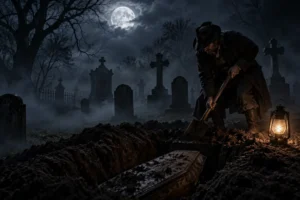
Famous grave robbers included professional resurrectionists, medical students, and one enslaved worker. Their stories reveal why medical schools created a black market in human bodies.

Dr. Robert Knox was never charged in the Burke and Hare murders, but an 1829 inquiry criticized how his anatomy school bought bodies and asked too few questions.
Burke and Hare in Edinburgh turned a shortage of legal cadavers into murder for profit, selling at least 16 bodies to anatomist Robert Knox.
A grave watch kept a fresh burial under guard while families feared resurrectionists might return after dark.
Why did Britain pass the Anatomy Act of 1832? See how body snatching, murder-for-sale scandals, and a shortage of legal cadavers pushed Parliament to act.
Mortsafes were iron grave defenses built to stop body snatchers. See how these strange cages worked, why communities reused them, and what happened after the corpse trade declined.
Meet the resurrectionists who supplied anatomy schools with stolen corpses and see how a shortage of legal cadavers turned grave robbing into an organized trade.